- 2B / BW Shalimar Bagh, Opp. BQ Market, Near DLF Mall New Delhi - 110088, India.
- :+91-9312-871-070

Manufacturers, Exporters, Suppliers of Silica Antiscalant High pH
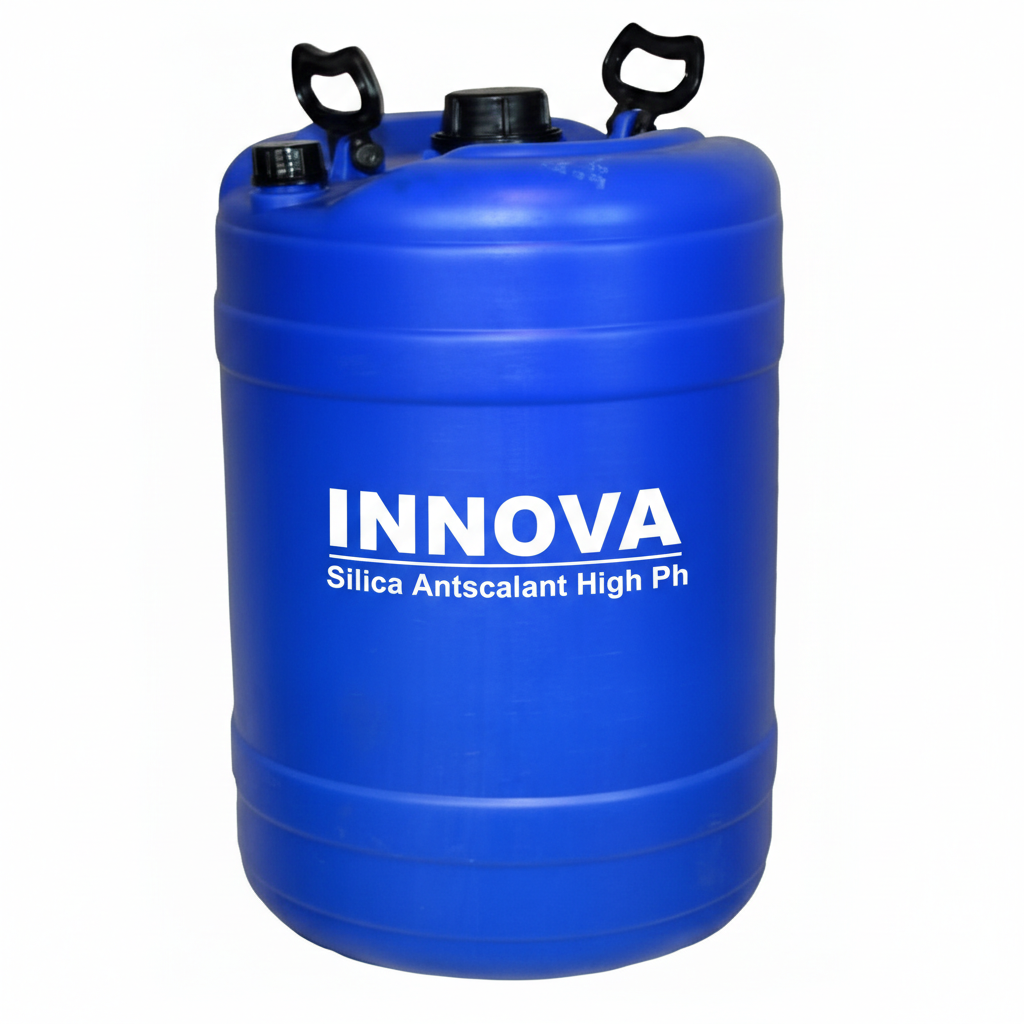
Silica Antiscalant High pH in Germany for Semiconductor Ultrapure Water & Cooling Tower RO (Reactive Silica Inhibitor)
Innova Corporate (India) supplies Silica Antiscalant High pH in Germany for semiconductor ultrapure water systems in Dresden and Leipzig, cooling tower make-up RO in North Rhine-Westphalia chemical plants, and groundwater RO in Saxony and Bavaria. Silica scaling is a serious challenge in high-recovery RO systems — dissolved silica polymerizes into a glass-like deposit on membrane surfaces that is very difficult to remove with standard acid or alkaline CIP chemicals. Semiconductor fabs in Dresden require silica removal below 1 ppb for wafer fabrication, and cooling tower make-up RO systems concentrate silica at high recycle rates. Our high pH formulation prevents reactive silica polymerization without introducing TOC or other contaminants into the water.
Our specialised high pH silica antiscalant is designed for high-capacity membrane systems operating in Germany. It features a precise molecular weight range and a clear, impurity-free composition that maintains ultra-low TOC for semiconductor and pharmaceutical applications. This advanced formula effectively controls silica scaling while also managing carbonate and sulfate salts (Calcium, Magnesium, Barium and Strontium) in mixed-fouling German groundwater sources. Whether for Reverse Osmosis (RO), Nanofiltration (NF) or Ultrafiltration (UF), our chemicals deliver exceptional results in German high-purity and industrial applications.
Key Benefits & Salient Features for German Semiconductor & Cooling Tower Systems:
- Superior Silica Control: Effectively manages high levels of reactive silica in German semiconductor ultrapure water and cooling tower make-up feed water.
- Ultra-Low TOC Formula: TOC contribution below 5 ppb — critical for semiconductor ultrapure water systems in Dresden and Leipzig.
- Membrane Protection: Prevents irreversible physical damage caused by sharp silica crystals in high-recovery RO systems.
- High Recovery Support: Allows higher recovery rates in German cooling tower and groundwater RO plants by controlling silica concentration at the last stage.
- Drinking Water Safe: Formulated with ingredients suitable for potable water applications, meeting DVGW guidelines.
- DVGW & EU Compliant: Complies with German potable water treatment guidelines and EU environmental standards for industrial discharge.
- Cost-Efficiency: Minimises downtime and reduces the need for expensive silica-specific CIP cycles in German plants.
- Compatible with Standard Antiscalants: Can be used alongside calcium and sulfate antiscalants in a combined dosing programme.
Industries We Serve Across Germany:
Semiconductor Fabs (Dresden, Leipzig): Infineon, GlobalFoundries and Bosch semiconductor plants use ultra-low TOC silica antiscalant for ultrapure water RO systems with silica limits below 1 ppb.
Chemical Plant Cooling Towers (North Rhine-Westphalia): Chemical plants in Cologne and Düsseldorf use high pH silica antiscalant for cooling tower make-up RO systems with high silica concentration.
Groundwater RO (Saxony, Bavaria): Municipal and industrial RO plants in Saxony and Bavaria use silica antiscalant for groundwater with elevated dissolved silica.
Pharmaceutical Purified Water (Baden-Württemberg): Pharma plants use ultra-low TOC silica antiscalant for purified water systems, meeting EU GMP guidelines.
Power Plant Boiler Feed (North Rhine-Westphalia): Power plant boiler feed RO systems use silica antiscalant to prevent silicate carryover into boilers.
Municipal Drinking Water (DVGW Utilities): German municipal utilities use DVGW-compliant silica antiscalant for potable water RO systems with silica concerns.
Why Silica Needs Different Treatment Than Other Scales in Germany:
| Parameter | Calcium / Sulfate Scale | Silica Scale |
|---|---|---|
| Nature | Crystalline, removable by acid | Amorphous, glass-like, very hard |
| CIP Removal | Low pH cleaner dissolves effectively | Difficult; needs warm high pH + extended soak |
| Best Strategy | Prevent + remove during CIP | Prevent polymerization before it starts |
| Germany Relevance | High-hardness municipal water | Semiconductor ultrapure water, Saxony and Bavaria groundwater |
Application & Dosage in Germany:
- Standard Dosage Range: 2–10 ppm in feed water, based on dissolved silica concentration and recovery rate.
- Semiconductor Ultrapure Water (Dresden): For silica limits below 1 ppb, dosage may go up to 10–15 ppm after water analysis.
- Cooling Tower Make-up (NRW): 4–8 ppm for high-recycle cooling systems with silica concentration.
- Groundwater RO (Saxony, Bavaria): 2–6 ppm for groundwater with elevated dissolved silica.
- Injection Point: Dose after pretreatment, before cartridge filter and static mixer, on the feed side of the RO membranes.
- Dilution: Always dilute with RO permeate water, not raw water, before dosing.
- Monitoring: Track silica levels in feed, concentrate and permeate streams, plus TOC and differential pressure, to confirm effectiveness.
Common Silica Problems in German Semiconductor & Cooling Tower RO Systems:
Semiconductor Ultrapure Water Silica: Dresden and Leipzig fab ultrapure water requires silica below 1 ppb. High pH silica antiscalant prevents silica polymerization without adding TOC.
Cooling Tower Silica Concentration: North Rhine-Westphalia chemical plant cooling towers concentrate silica at high recycle rates. High pH silica antiscalant prevents silicate scaling.
Saxony & Bavaria Groundwater Silica: Some German groundwater sources have elevated dissolved silica. Silica antiscalant prevents polymerization in high-recovery RO systems.
Reactive Silica Polymerization: Dissolved silica polymerizes during concentration and forms hard gel-like layers on membranes that are very difficult to remove.
Permeate Flow Decline: Silica fouling causes gradual but persistent loss of permeate flow and rising differential pressure across the membrane array.
CIP Difficulty: Once silica has polymerized, standard acid and alkaline CIP chemicals cannot fully remove it. Prevention with high pH silica antiscalant is the most effective strategy.
Technical Specifications:
| Appearance | Clear to pale yellow liquid |
| pH (as is) | 10.0 – 12.0 (alkaline) |
| Specific Gravity | 1.08 – 1.18 |
| TOC Contribution | Below 5 ppb |
| Recommended Dosage | 2 – 10 ppm (up to 15 ppm for semiconductor ultrapure water) |
| Certification | DVGW compliant, EU compliant |
| Shelf Life | 12 months in original sealed container |
Frequently Asked Questions (Germany):
Q: What is high pH silica antiscalant used for in Germany?
A: It is used in semiconductor ultrapure water systems in Dresden, cooling tower make-up RO in North Rhine-Westphalia, and groundwater RO in Saxony and Bavaria. It prevents reactive silica polymerization in high-recovery RO systems.
Q: Why do German semiconductor plants need silica antiscalant?
A: Semiconductor ultrapure water systems in Dresden and Leipzig require silica removal below 1 ppb for wafer fabrication. High pH silica antiscalant prevents silica polymerization without introducing TOC or other contaminants.
Q: Which German industries use silica antiscalant the most?
A: Semiconductor fabs in Dresden and Leipzig, cooling tower make-up RO systems in North Rhine-Westphalia chemical plants, and groundwater RO systems in Saxony and Bavaria.
Q: How does high pH silica antiscalant prevent silicate scaling?
A: It keeps reactive silica in a dissolved state and prevents polymerization even at high concentration factors. It also maintains an alkaline pH range that reduces silica deposition on membrane surfaces.
Q: Is high pH silica antiscalant safe for semiconductor ultrapure water?
A: Yes, when dosed within recommended pH and dosage limits. Our high pH silica antiscalant is formulated for ultra-low TOC contribution, compatible with semiconductor ultrapure water RO systems in Dresden and Leipzig.
Q: What dosage of silica antiscalant is recommended for German RO plants?
A: Typical dosage ranges from 2 to 6 ppm in feed water. For high silica semiconductor ultrapure water in Dresden, dosage may go up to 10–15 ppm. Our technical team provides free dosage guidance.
Storage & Safety: Store in original containers in a cool, dry place at your Germany facility, away from heat, flame and direct sunlight. As an alkaline product, wear chemical-resistant gloves, goggles and apron during handling. For comprehensive safety data and dosage guidance, please refer to the Material Safety Data Sheet (MSDS) and Technical Data Sheet (TDS).
Related Products: Explore our Phosphonate-Free RO Antiscalant for Germany, Ultra-Low TOC Antiscalant, and Silver Hydrogen Peroxide Disinfectant for a complete RO chemical programme across Germany.